Welcome to your complete guide on understanding trenchless pipe installation cost in NZ, created to help homeowners, landlords, and property managers make informed decisions without confusion or sales pressure. If you’re dealing with recurring drain issues, ageing pipes, or unexpected plumbing problems, you’ve probably heard about trenchless pipe installation as a modern alternative to digging up lawns, driveways, or concrete — but the big question remains: how much does it actually cost in New Zealand? The truth is, trenchless pipe installation costs can vary widely depending on factors like pipe length, damage severity, access, and the method used, which is why generic price estimates often fall short. This guide breaks down real-world pricing, explains what influences the cost, and helps you understand whether trenchless solutions like pipe relining are worth the investment for your specific situation, so you can move forward with clarity and confidence rather than guesswork.
Trenchless pipe installation cost in NZ typically ranges from $150 to $400 per metre, depending on factors such as pipe condition, diameter, length, accessibility, and the trenchless method used, such as pipe relining or pipe bursting. While trenchless solutions may have a higher upfront cost than traditional digging, they often save money long term by avoiding excavation, landscaping repairs, and property damage, making them a cost-effective option for many New Zealand homes.
Table of Contents
Is Trenchless Pipe Installation Worth The Cost In NZ?
For many New Zealand homeowners, pipe problems tend to surface at the worst possible time, often after years of gradual wear that goes unnoticed. Older homes across NZ commonly rely on clay, earthenware, or ageing PVC pipes that can crack, collapse, or become invaded by tree roots. When drains start blocking repeatedly or wastewater backs up, the usual concern is not just fixing the pipe but dealing with the disruption that comes with traditional excavation.
Trenchless pipe installation offers a modern alternative to digging trenches through lawns, driveways, gardens, or concrete paths. Instead of removing sections of your property to access damaged pipes, trenchless methods work from inside the existing pipe, repairing or replacing it with minimal surface disturbance. This approach has become increasingly popular in NZ, particularly in residential areas where preserving landscaping and structures matters.
That said, cost is usually the first question homeowners ask. Trenchless pipe installation can appear more expensive upfront compared to basic dig-and-replace repairs, which naturally leads people to question whether it is truly worth the investment. The reality is that trenchless pricing varies depending on factors such as pipe length, damage severity, access, and the specific method used. Understanding these variables is essential before comparing options purely on price.
From a practical, homeowner-focused perspective, the value of trenchless pipe installation often goes beyond the initial quote. Avoiding the need to break concrete, remove driveways, or re-landscape gardens can significantly reduce hidden costs, inconvenience, and repair time. For many NZ households, the frustration of restoring outdoor areas after digging is just as stressful as the plumbing issue itself.
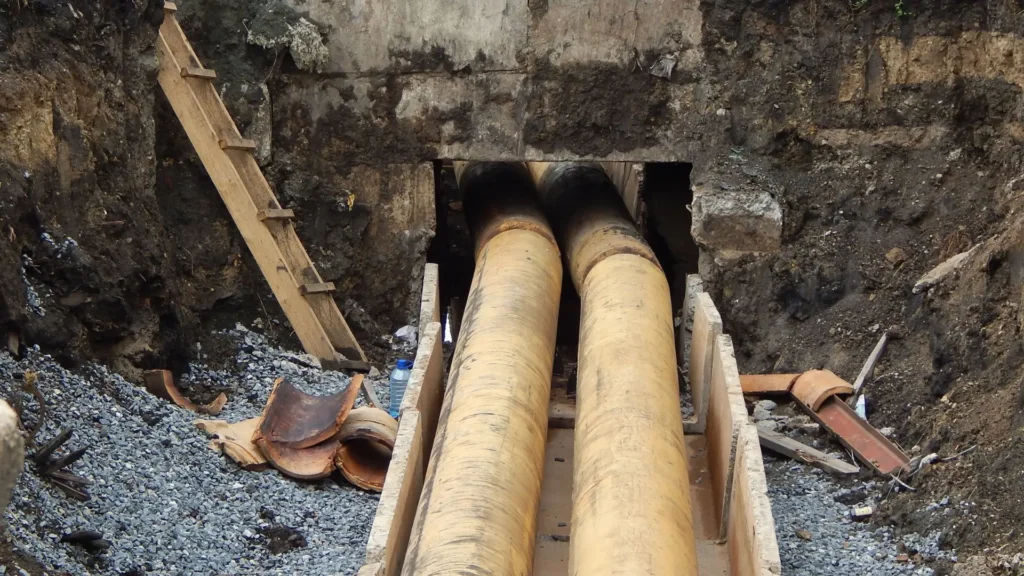
What Is Trenchless Pipe Installation? (And How It Works)
Trenchless pipe installation is a modern plumbing solution that allows damaged or ageing underground pipes to be repaired or replaced without digging long trenches through your property. Instead of excavating soil, concrete, or landscaping, plumbers work through small access points and complete the repair internally. This approach reduces disruption, shortens repair time, and helps avoid the additional costs associated with restoring lawns, driveways, and hard surfaces.
Simple Definition Of Trenchless Pipe Installation
Trenchless pipe installation refers to a group of techniques used to fix underground pipes while keeping the surrounding ground largely intact. The work is carried out from inside the existing pipe or through minimal entry points, making it a practical option for properties where pipes run beneath buildings, paved areas, or established landscaping. A helpful way to picture this process is like repairing a pipe from the inside rather than digging everything up to reach it.
How Trenchless Pipe Installation Works
Although trenchless plumbing uses specialised equipment, the process itself follows a clear and logical sequence that is easy to understand.
- Initial inspection: A CCTV camera is inserted into the pipe to identify cracks, blockages, or structural damage
- Preparation: The pipe is thoroughly cleaned to remove debris, scale, or tree roots
- Repair or replacement: The selected trenchless method is applied based on the pipe’s condition
- Final inspection: The pipe is checked again to confirm the repair is complete and functioning correctly
This process allows plumbers to make precise repairs while avoiding unnecessary digging or property damage.
How Trenchless Pipe Installation Differs From Traditional Dig And Replace
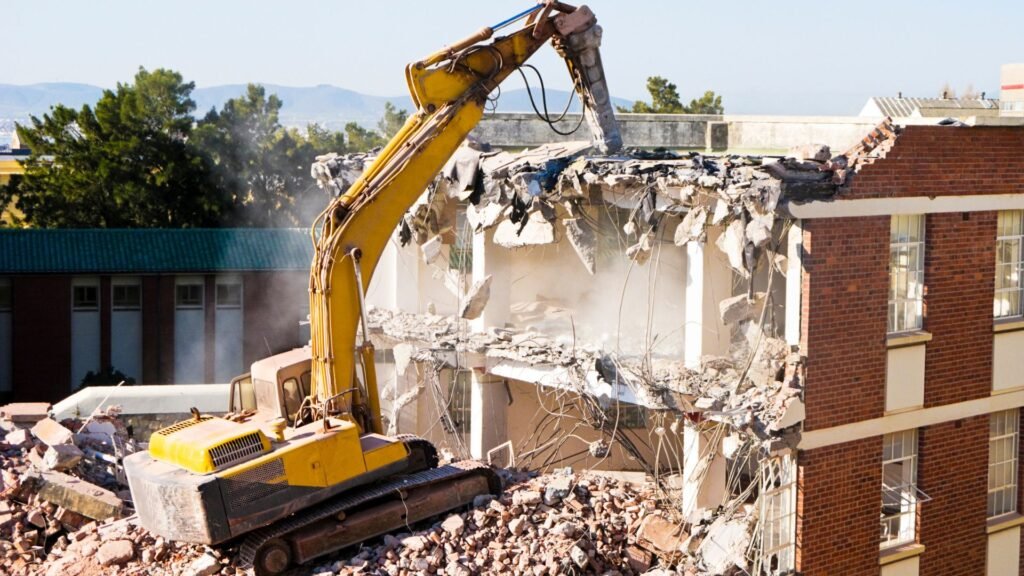
Traditional pipe replacement involves excavating the entire length of the damaged pipe, removing it, and installing a new pipe before restoring the ground above. This often means significant disruption to gardens, concrete, driveways, or even internal flooring. Trenchless pipe installation takes a different approach by completing the repair underground, which usually results in less mess, faster completion times, and reduced reinstatement costs compared to full excavation.
Common Trenchless Methods Used In NZ
There are two main trenchless techniques commonly used in New Zealand, with the choice depending on the pipe’s condition and location.
Pipe Relining (CIPP)
Pipe relining, also known as cured-in-place pipe lining, involves inserting a flexible liner coated with resin into the existing pipe. Once in place, the liner is cured to form a strong, seamless pipe inside the original one. This method works best when the pipe structure is still intact but has cracks, leaks, or minor damage.
- Best for: Cracked pipes, minor collapses, root intrusion
- Outcome: A new pipe formed inside the old one without excavation
Pipe Bursting
Pipe bursting is used when a pipe is too damaged to be relined. A new pipe is pulled through the old one, breaking the existing pipe apart as it moves through the ground. This replaces the pipe entirely while still avoiding the need for open trenches.
- Best for: Severely damaged or collapsed pipes
- Outcome: Full pipe replacement with minimal surface disruption
Why Trenchless Methods Are Growing In Popularity Across NZ
Trenchless pipe installation is gaining popularity across New Zealand as many properties have ageing underground pipes combined with modern landscaping and hard surfaces. Homeowners are also more aware of the long-term costs associated with repeated repairs and surface restoration. Trenchless methods offer a practical solution that protects property value, reduces disruption, and provides durable results.
In summary, trenchless pipe installation offers a more efficient way to repair underground pipes without the inconvenience of extensive digging. It delivers reliable repairs while preserving the spaces around your home, making it a preferred option for many New Zealand property owners.
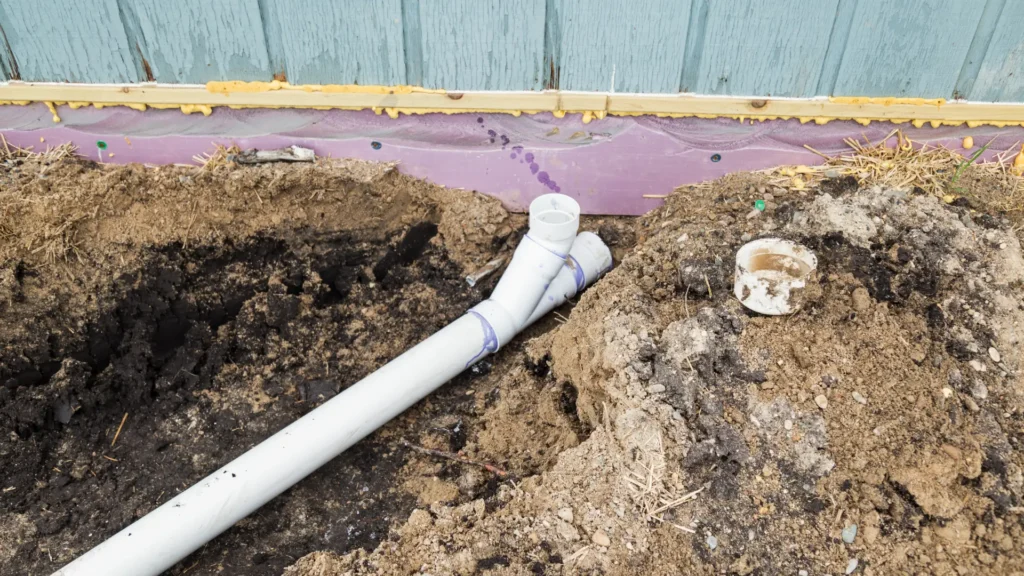
Average Trenchless Pipe Installation Cost In NZ
Understanding the average trenchless pipe installation cost in NZ helps set realistic expectations before speaking with a plumber or drainage specialist. While trenchless methods are often seen as a premium option, the actual pricing varies widely based on the job’s complexity, access, and pipe condition. Below is a clear, transparent breakdown of what most New Zealand property owners can expect to pay.
Typical Price Ranges In NZ Dollars
In New Zealand, trenchless pipe installation generally falls within a broad price range rather than a fixed figure. This is because no two underground pipe systems are exactly the same, even between similar properties.
- Typical range: $150 to $400 per metre
- Small residential repairs: Often start from $2,500 to $4,000
- Larger or complex projects: Can exceed $10,000 depending on scope
These figures usually include inspection, preparation, materials, and installation, but exclusions can apply, which is why quotes may differ between providers.
Cost Per Metre Explained
The cost per metre is one of the most common ways trenchless pipe installation is priced in NZ, as it reflects the length of pipe requiring repair or replacement.
- Short pipe sections: Higher cost per metre due to setup and equipment costs
- Longer pipe runs: Lower average cost per metre as fixed costs are spread out
- Wider or non-standard pipes: Tend to increase per-metre pricing
While per-metre pricing is helpful for estimates, it should always be considered alongside other site-specific factors.
Residential Vs Commercial Pricing Differences
Residential and commercial trenchless pipe installation costs can vary significantly due to scale, compliance requirements, and system complexity.
- Residential properties:
- Typically involve smaller pipe diameters
- Easier access and shorter pipe lengths
- Lower overall cost range
- Commercial properties:
- Larger pipe systems and higher flow demands
- Stricter compliance and safety requirements
- Increased labour, equipment, and planning costs
As a result, commercial trenchless pipe installation projects are often priced higher, even when using the same repair methods.
Example Cost Scenarios
To make pricing easier to understand, it helps to look at common cost scenarios rather than averages alone.
Low-End Scenarios
- Minor damage to a short pipe section
- Easy access with minimal preparation
- Typically suited for pipe relining
These jobs are often at the lower end of the price range and can be completed quickly.
Mid-Range Typical Jobs
- Moderate pipe damage across several metres
- Standard residential access conditions
- Most common trenchless pipe repairs in NZ homes
This is where many homeowners find their project sits in terms of cost.
High-End Complex Cases
- Severe pipe collapse or misalignment
- Difficult access under concrete or structures
- Large-diameter or commercial pipe systems
These projects require more time, expertise, and materials, which naturally increases the total cost.
Important Cost Disclaimer
- Pricing varies by situation: Every trenchless pipe installation is unique
- Inspections matter: CCTV assessments often uncover issues not visible upfront
- Quotes are essential: Online estimates should never replace professional evaluation
What works for one property may not apply to another, even within the same neighbourhood.
In the end, understanding the average trenchless pipe installation cost in NZ is about context rather than exact numbers. Knowing the typical ranges and what influences pricing puts you in a stronger position to ask the right questions and plan ahead with confidence.
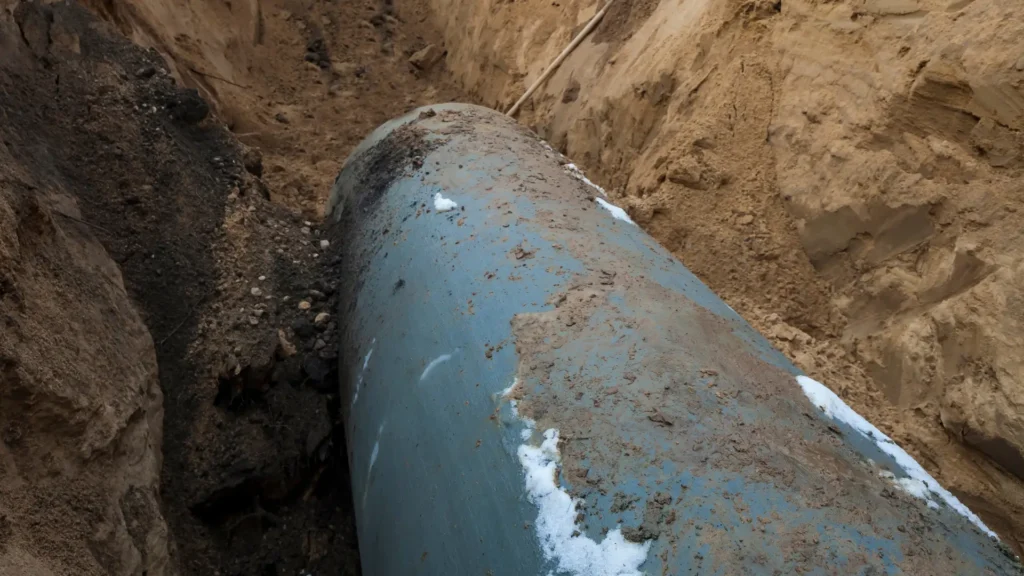
Key Factors That Affect Trenchless Pipe Installation Costs
Understanding why trenchless pipe installation costs vary in New Zealand starts with knowing what plumbers actually assess on site. No two properties are the same, and even small differences in pipe condition, access, or location can significantly affect pricing. Below are the main factors that influence cost, explained clearly and realistically to help you understand what you’re paying for.
Length Of Pipe Needing Repair
The length of pipe that needs repairing is one of the biggest cost drivers because trenchless work is commonly priced per metre. The more pipe involved, the more materials, labour time, and equipment usage are required.
- Why it matters: Longer pipe sections require more lining resin or replacement material and take more time to install and cure
- Real-world example: Repairing a short 3-metre section under a garden is far less expensive than relining a 20-metre sewer pipe running from the house to the street
Pipe Diameter And Material
Pipe size and material affect how complex the trenchless process will be. Larger pipes need more materials and specialised equipment, while older materials can be more fragile and harder to work with.
- Why it matters: Wider pipes increase material costs, while brittle materials like clay require careful handling
- Real-world example: A standard household drain pipe is quicker and cheaper to reline than a large-diameter stormwater pipe made from old clay
Type Of Trenchless Method Used
Different trenchless methods come with different costs. The method chosen depends on the condition of the pipe and the type of repair required.
- Pipe relining: Usually more affordable when the pipe structure is still mostly intact
- Pipe bursting: Typically more expensive because it involves breaking the old pipe and installing a new one
- Real-world example: A cracked pipe under a lawn may only need relining, while a collapsed pipe under a driveway often requires pipe bursting
Severity Of Pipe Damage
The extent of the damage has a direct impact on cost. Minor issues can be resolved quickly, while severe damage often requires extra preparation before trenchless work can begin.
- Why it matters: Collapsed or heavily damaged pipes may need cleaning, stabilisation, or partial excavation
- Real-world example: Light root intrusion can be fixed in one visit, while a collapsed section may require additional work before repair
Accessibility Of The Pipe
How easy it is to reach the damaged pipe affects labour time and overall complexity. Pipes under solid structures are harder to access than those under soil or grass.
- Why it matters: Difficult access can increase setup time and require specialised equipment
- Real-world example: A pipe beneath a garden bed is easier and cheaper to access than one under a concrete driveway or garage floor
Location In NZ (Urban Vs Regional)
Geographic location also plays a role in trenchless pipe installation costs across New Zealand.
- Why it matters: Urban areas usually have more service providers and competitive pricing, while regional locations may include travel or call-out costs
- Real-world example: A trenchless repair in Auckland may cost differently than the same job in a remote rural area
Council Requirements Or Inspections
Some trenchless pipe installations require council approvals or inspections, particularly when work involves public sewer or stormwater connections.
- Why it matters: Council involvement can add inspection fees and administrative time
- Real-world example: Repairs near a property boundary or street connection may require council approval before work starts
Real-World Complications That Affect Pricing
Unexpected issues are common, especially in older NZ homes with ageing pipe systems, and these can affect final costs.
- Tree roots extending deeper into the pipe than initially detected
- Collapsed pipe sections hidden beneath concrete or paving
- Non-standard pipe layouts from older construction practices
Experienced trenchless plumbers account for these possibilities to ensure repairs are done properly and last long term.
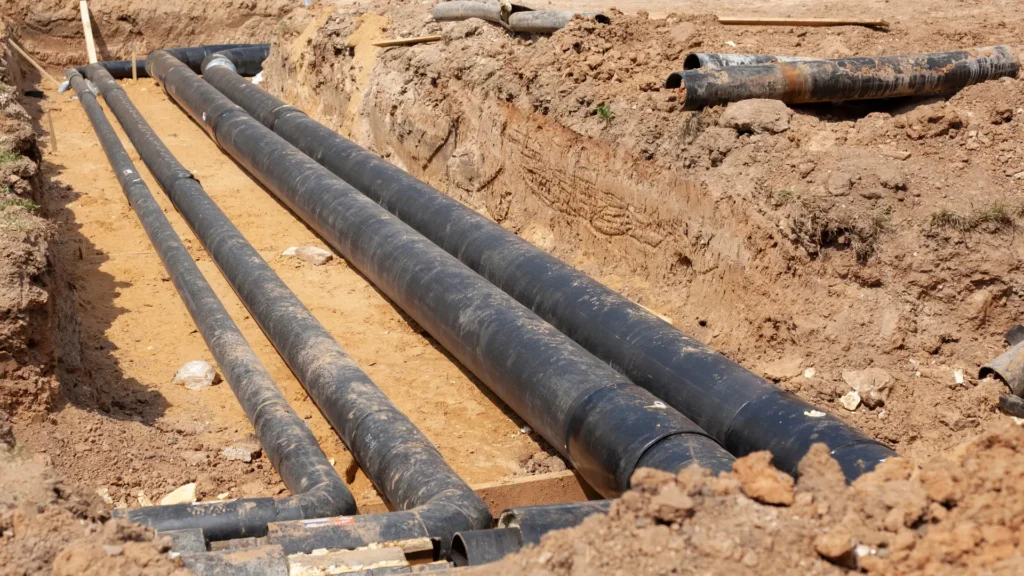
Trenchless Vs Traditional Digging: Cost Comparison
When comparing trenchless pipe installation with traditional digging, the real difference becomes clear when you look beyond the initial quote. While upfront pricing matters, long-term value, disruption, and future costs often play a bigger role in deciding which option makes the most sense for a property.
Upfront Cost Comparison
- Upfront Cost: Traditional digging can appear cheaper initially because it uses standard equipment and methods. Trenchless pipe installation generally has a higher starting cost due to specialised technology and skilled labour, but this figure alone does not reflect the full scope of expenses involved.
Hidden Costs Of Traditional Digging
- Landscaping Repairs: Digging often requires removing lawns, garden beds, or fencing. Restoring these areas after the pipe work is completed can significantly increase overall costs and is usually not included in the original plumbing quote.
- Concrete Reinstatement: Pipes located beneath concrete paths, patios, or foundations require cutting and re-pouring concrete. This adds extra labour, materials, and time to the project, increasing the final cost.
- Driveway Or Footpath Damage: When pipes run under driveways or footpaths, repairs may involve specialised resurfacing or compliance with local council requirements, which can further raise expenses.
Time And Disruption Considerations
- Time Savings: Trenchless pipe installation is often completed more quickly because it avoids extensive excavation and reinstatement work. Faster completion can reduce labour costs and inconvenience.
- Household Or Business Disruption: Traditional digging can restrict access to parts of a property and create noise and mess over several days or weeks. Trenchless methods minimise disruption, making them more suitable for occupied homes and operating businesses.
Long-Term Cost Efficiency
- Long-Term Value: Trenchless solutions are designed to be durable and long-lasting, which can reduce the likelihood of future pipe failures. While not always the lowest-cost option upfront, they may help lower maintenance and repair expenses over time.
Ultimately, choosing between trenchless and traditional pipe repair is about weighing immediate costs against long-term benefits. By considering disruption, repair work, and durability alongside price, property owners can make a well-informed decision that delivers better overall value rather than focusing solely on the initial cost.
Pipe Relining Cost In NZ (Most Common Trenchless Method)
Pipe relining is the most widely used trenchless pipe repair method in New Zealand because it solves common pipe problems without digging and with long-lasting results. For many homeowners, it offers a practical balance between cost, durability, and minimal disruption.
What Pipe Relining Is
Pipe relining is a trenchless repair technique that restores damaged pipes from the inside rather than replacing them entirely. Instead of excavating the ground, plumbers install a resin-soaked liner inside the existing pipe, which then hardens to form a new, seamless pipe within the old one.
Key points:
- No excavation required: Pipes are repaired underground without digging trenches
- Internal repair method: The liner seals cracks, breaks, and joints from the inside
- Minimal disruption: Gardens, driveways, and flooring remain intact
This method is commonly used for sewer pipes, stormwater drains, and older clay or earthenware pipes found in many NZ homes.
Average Pipe Relining Cost In NZ
The cost of pipe relining in New Zealand depends on the condition and size of the pipe, as well as how much of it needs to be relined. While prices vary, most residential jobs fall within a predictable range.
Typical NZ pricing:
- Average cost per metre: $150 to $400
- Small residential repairs: Lower end of the range
- Long or complex pipe runs: Higher end due to preparation and materials
Although pipe relining may appear more expensive upfront than traditional patch repairs, it often proves more cost-effective once excavation and restoration costs are taken into account.
When Pipe Relining Is Suitable
Pipe relining is not a one-size-fits-all solution, but it works extremely well in many common situations. A CCTV pipe inspection is usually required to confirm whether relining is appropriate.
Relining is suitable when:
- Pipes have cracks or joint failures: But are not completely collapsed
- Tree root intrusion is present: Roots can be removed and the liner seals entry points
- Pipes are ageing: Especially older clay or concrete pipes
- Access is difficult: Such as pipes under buildings, driveways, or concrete
If a pipe has fully collapsed or has severe alignment issues, pipe bursting or replacement may be recommended instead.
Expected Lifespan Of Relined Pipes
One of the biggest advantages of pipe relining is its longevity. When installed correctly using quality materials, relined pipes are designed to last for decades.
Lifespan expectations:
- Average lifespan: 50 years or more
- Seamless interior: Reduces future blockages and wear
- Corrosion resistant: Modern liners do not rust or degrade easily
This long service life is a major reason pipe relining is considered a long-term investment rather than a temporary fix.
Why Many NZ Plumbers Recommend Pipe Relining
Plumbers across New Zealand increasingly recommend pipe relining because it delivers reliable results while reducing risk for property owners. It allows them to solve serious pipe issues efficiently without unnecessary damage to homes or landscapes.
Reasons plumbers prefer relining:
- Consistent results: Proven performance across residential and commercial properties
- Time efficient: Most jobs are completed within one to two days
- Reduced callbacks: Fewer future repairs compared to patched or excavated pipes
From a professional standpoint, relining provides predictable outcomes and high customer satisfaction.
Durability, Warranties, And Material Quality
Modern pipe relining systems use advanced epoxy or resin-based liners designed specifically for underground plumbing applications. These materials are tested to withstand pressure, moisture, and soil movement.
Trust-building details:
- High-strength materials: Liners meet or exceed plumbing industry standards
- Durable finish: Smooth internal surface improves water flow
- Manufacturer warranties: Many systems come with warranties of up to 25 years or more
When combined with professional installation, these materials create a robust solution that performs like a brand-new pipe.
Is Trenchless Pipe Installation Cheaper In The Long Run?
When homeowners first look into trenchless pipe installation, the upfront cost can feel higher than traditional digging, which naturally creates hesitation. However, long-term value matters far more than the initial price tag. When you factor in maintenance, durability, property protection, and environmental impact, trenchless solutions often prove to be the more cost-effective choice over time for many New Zealand properties.
Lower Maintenance Costs Over Time
One of the biggest long-term savings comes from reduced ongoing maintenance. Traditional pipe repairs often involve partial fixes that can fail again, leading to repeat call-outs and additional costs.
Maintenance advantages include:
- Fewer recurring blockages due to smoother internal pipe surfaces
- Reduced need for emergency plumbing repairs
- Long-lasting materials designed to resist corrosion, cracks, and root intrusion
For homeowners, this means fewer unexpected plumbing bills and less stress over recurring issues.
Reduced Likelihood Of Repeat Failures
Trenchless methods such as pipe relining reinforce the existing pipe structure rather than patching isolated problem areas. This creates a continuous, joint-free pipe inside the old one, which significantly lowers the risk of future failures.
Why this matters long term:
- Eliminates weak joints where leaks commonly occur
- Prevents tree roots from re-entering the pipe
- Extends the lifespan of existing pipe systems by decades
Instead of fixing the same problem every few years, trenchless installation offers a durable, once-and-done solution for many homes.
Protection Of Property Value
Traditional excavation can leave lasting damage to lawns, gardens, driveways, and paved areas. Even after repairs, visible signs of digging can negatively affect a property’s appearance and value.
Property-related benefits include:
- No major disruption to landscaping or hard surfaces
- Preserves curb appeal and outdoor living areas
- Avoids costly reinstatement of concrete or paving
For homeowners planning to sell in the future, maintaining the condition of the property can directly protect resale value.
Reduced Environmental Impact
Beyond financial considerations, trenchless pipe installation is also a more environmentally responsible option. Less digging means less soil disturbance and reduced waste.
Environmental benefits include:
- Minimal disruption to surrounding soil and plant life
- Lower carbon footprint due to reduced machinery use
- Less waste material sent to landfill
For many homeowners, this added benefit aligns with a growing preference for sustainable home maintenance solutions.
Signs You Might Need Trenchless Pipe Repair
Issues with underground pipes often develop gradually, which makes them easy to overlook until they start disrupting daily life. Recognising the early warning signs can help you address problems before they turn into costly repairs. Trenchless pipe repair is often suitable when damage is present but excavation can be avoided, making early identification especially valuable for New Zealand homeowners.
Frequent Blockages
If your drains are blocking more often than they used to, it may be more than a simple buildup of debris. Repeated blockages often indicate cracks, root intrusion, or pipe misalignment that allows waste to catch and accumulate inside the pipe.
- Recurring clogs despite regular cleaning
- Blockages affecting multiple drains at once
- Temporary fixes that stop working quickly
These patterns suggest internal pipe damage rather than surface-level issues, which trenchless repair methods are designed to address from within the pipe.
Slow Drains
Slow-draining sinks, showers, or toilets can signal a restricted or deteriorating pipe. While a single slow drain may be caused by local buildup, widespread or persistent slow drainage often points to structural problems underground.
- Water taking longer than usual to drain
- Gurgling sounds from drains
- Multiple fixtures draining slowly at the same time
Trenchless solutions can restore proper flow without disturbing surrounding areas, especially when pipes are still structurally stable.
Bad Odours
Unpleasant smells coming from drains are more than just a nuisance. Persistent odours can indicate cracks or gaps in pipes that allow sewer gases to escape.
- Sewage smells inside or outside the home
- Odours that return after cleaning
- Stronger smells near certain drain points
These issues can often be resolved with pipe relining, which seals the interior of the pipe and prevents leaks without excavation.
Wet Patches Or Sinkholes
Unexpected damp areas or soft ground around your property may be a sign of leaking underground pipes. Over time, escaping water can erode soil and create visible surface changes.
- Unexplained wet spots in lawns or gardens
- Sinking or uneven ground
- Water pooling without a clear source
Because trenchless pipe repair works below the surface, it can fix leaks while preserving landscaping and hardscaping.
Old Clay Or Earthenware Pipes Common In NZ
Many older New Zealand homes still rely on clay or earthenware pipes, which are more vulnerable to cracking, root intrusion, and joint failure as they age.
- Pipes installed several decades ago
- History of tree root issues
- Frequent repairs on the same section of pipe
These materials are often ideal candidates for trenchless repair, allowing modern lining systems to extend their lifespan without full replacement.
How To Get An Accurate Trenchless Pipe Installation Quote In NZ
Getting an accurate trenchless pipe installation quote in NZ is less about finding the cheapest price and more about understanding exactly what work your pipes need. Because trenchless solutions are tailored to each property, reliable pricing comes from proper assessment, clear communication, and transparent documentation. When done correctly, this process protects you from unexpected costs and helps you choose a solution that actually lasts.
The Importance Of CCTV Pipe Inspections
A CCTV pipe inspection is the foundation of any accurate trenchless pipe installation quote. Without seeing the inside of the pipe, any price provided is little more than an estimate.
A professional inspection allows the plumber to assess the real condition of your pipes, identify the exact location and severity of damage, and determine whether pipe relining or another trenchless method is suitable. In many NZ homes, especially older properties with clay or earthenware pipes, issues such as cracks, root intrusion, or joint displacement are not visible from the surface.
Key reasons CCTV inspections matter include:
- Accurate diagnosis: Confirms the true cause of blockages or leaks rather than guessing.
- Correct pricing: Prevents underquoting or surprise add-ons once work begins.
- Appropriate solution: Ensures trenchless repair is viable and not applied where full replacement is needed.
A quote based on inspection data is far more reliable than one based on assumptions.
Questions To Ask A Trenchless Plumbing Provider
Asking the right questions helps you gauge both expertise and honesty. A reputable trenchless plumbing provider in NZ should be comfortable explaining their process and pricing in plain language.
Important questions to ask include:
- Which trenchless method are you recommending: Ask why pipe relining, pipe bursting, or another approach is best for your situation.
- What evidence supports this recommendation: Request footage or images from the CCTV inspection.
- How long the repair is expected to last: A professional should clearly explain lifespan and material durability.
- What disruption should I expect: Even trenchless work involves some access points.
- Is the work covered by a warranty: Quality trenchless installations usually come with workmanship or material guarantees.
Clear, confident answers are a strong sign of experience and professionalism.
What A Legitimate Trenchless Pipe Quote Should Include
A trustworthy trenchless pipe installation quote should be detailed, written, and easy to understand. Vague pricing leaves too much room for unexpected costs later.
A proper quote should include:
- Scope of work: Clear description of what sections of pipe will be repaired.
- Method used: Confirmation of the trenchless technique being applied.
- Pricing breakdown: Costs per metre or per section, not just a single lump sum.
- Preparation and cleanup: Details on access points, reinstatement, and site cleanup.
- Timeframe: Estimated start and completion time.
- Warranty details: Length and coverage of guarantees provided.
This level of detail shows that the provider has fully assessed your pipes and stands behind their pricing.
Warning Signs Of Vague Or Unusually Cheap Quotes
Extremely low trenchless pipe installation quotes can be tempting, but they often come with hidden risks. In many cases, cheap pricing reflects shortcuts, poor materials, or limited experience.
Red flags to watch for include:
- No CCTV inspection performed: Pricing without inspection is unreliable.
- Lack of written documentation: Verbal quotes offer no protection.
- Unclear scope: No mention of pipe length, depth, or repair method.
- Pressure tactics: Urgency without proper explanation.
- No warranty offered: Indicates low confidence in workmanship.
In trenchless plumbing, quality and accuracy matter more than headline price.
Building Transparency And Trust In The Quoting Process
An accurate trenchless pipe installation quote should make you feel informed, not uncertain. Transparency builds trust by showing exactly what you are paying for and why it is necessary. When a provider takes the time to inspect, explain, and document their recommendation, it reflects a long-term mindset rather than a quick sale.
Taking these steps ensures you choose a trenchless solution that fits your property, your budget, and your expectations, helping you move forward with confidence instead of doubt.
If you’re unsure what trenchless pipe installation would cost for your property, the fastest way to get clear answers is with a professional assessment. Visit our website to learn how trenchless solutions work in real NZ homes, explore your options, and request a no-obligation inspection that gives you accurate pricing based on your actual pipes — not rough estimates.
References
- Understanding Trenchless Pipe Installation Costs in NZ
https://nzpipelining.co.nz/blog/tpost/5vmo2xtux1-understanding-trenchless-pipe-installati nzpipelining.co.nz - Trenchless Drain Repair Pricing and Details (Tuffnell Plumbing)
https://tuffnell.co.nz/service/drainage/trenchlessrepair/ Tuffnell Plumbing - Trenchless Pipeline Rehabilitation Options in NZ (TDG Environmental)
https://tdgenvironmental.com/services/relining/ TDG Environmental - Trenchless Repair Techniques and Benefits (Enviroflo NZ)
https://www.enviroflo.co.nz/helpful-articles/trenchless-drain-repairs-what-they-are-and-when-theyre-used enviroflo.co.nz
FAQs: About Trenchless Pipe Installation Cost In NZ
What is trenchless pipe installation?
Trenchless pipe installation is a modern plumbing method that repairs or replaces damaged pipes without extensive digging. It uses techniques like pipe relining or pipe bursting to fix pipes underground with minimal disruption to your property.
How much does trenchless pipe installation cost in NZ?
Trenchless pipe installation cost in NZ typically ranges from $150 to $400 per metre, depending on pipe condition, length, diameter, access, and the repair method used.
Is trenchless pipe installation cheaper than traditional digging?
While trenchless pipe installation may have a higher upfront cost, it is often cheaper overall because it avoids excavation, landscaping repairs, and driveway or concrete reinstatement.
What factors affect trenchless pipe installation costs in New Zealand?
Costs are influenced by pipe length, pipe diameter, severity of damage, accessibility, location, trenchless method used, and whether additional inspections or council approvals are required.
What is the difference between pipe relining and pipe bursting?
Pipe relining repairs existing pipes from the inside using a resin liner, while pipe bursting breaks the old pipe and replaces it with a new one. Relining is usually more cost-effective when the pipe structure is still intact.
How long does trenchless pipe installation take?
Most trenchless pipe installations are completed within one to two days, depending on the complexity of the job and the length of pipe being repaired.
How long do trenchless pipes last?
Properly installed trenchless pipes, especially relined pipes, can last 50 years or more, making them a long-term solution for many NZ properties.
Can trenchless pipe installation be used on old clay pipes?
Yes, trenchless pipe installation is commonly used on older clay or earthenware pipes, which are still found in many New Zealand homes.
Does insurance cover trenchless pipe installation in NZ?
In some cases, insurance may cover part of the cost if pipe damage is sudden and accidental. Coverage depends on your policy, so it’s best to check directly with your insurer.
How can I get an accurate trenchless pipe installation quote?
The best way to get an accurate quote is through a professional CCTV pipe inspection, which allows plumbers to assess the pipe condition and recommend the most suitable trenchless solution.
Conclusion
Choosing whether trenchless pipe installation is right for your home ultimately comes down to balancing cost, long-term value, and your specific property conditions, and for many New Zealand homeowners, the appeal lies in solving serious pipe issues without the disruption of digging. While trenchless pipe installation costs in NZ can seem higher at first glance, the value often becomes clear when you factor in reduced labour, minimal property damage, faster completion times, and the long lifespan of relined or replaced pipes. It’s also important to remember that no two properties are the same, as pricing and suitability depend on factors such as pipe length, accessibility, age, material, and the severity of the damage. A professional assessment, often starting with a CCTV inspection, can provide clear insight into whether trenchless methods are appropriate and help avoid unnecessary repairs or costs. If you’re still weighing your options, seeking advice from an experienced trenchless plumbing specialist allows you to make a calm, informed decision that protects your home, your budget, and your peace of mind without feeling rushed or pressured.